
Instrument Development Laboratories
Instrument Development Laboratories (idl) was located at 817 East 55th Street, Chicago, Illinois in February 1946. James A. (Jim) Schoke1, a pioneer in nucleonics, was founder and President and was joined by John Kuranz and Tom Mitchell to make laboratory counting scalers for nuclear instruments. They were all previously in the Army Special Engineering Detachment of the Corps of Engineers and worked on the Manhattan Project at the Metallurgical Laboratory (Met Lab) at the University of Chicago during WWII. In 1947, the company moved to 223 West Erie Street in Chicago, Illinois. The first two instruments developed were based on Manhattan Project designs - one was a laboratory scaler with power supply for Geiger counters (Model 161) and the second was a portable Geiger counter (Model 2610) survey instrument. The Model 161 was followed by the Model 162 which added a preamplifier for use with proportional counters. These instruments remained very popular in the late 1940's and early 1950's. The company motto was “Instruments for Radioactivity Measurements: Design – Development – Production". idl later became Nuclear Instruments & Chemical Corporation in 1948 and then Nuclear-Chicago in 1954.
1James Schoke is an adviser to the National Radiation Instrument Catalog and provided historical details for this article on Instrument Development Laboratories in 2013. The Atomic Heritage Foundation posted an interview with Jim Schoke. To view the interview, click the link below.
http://manhattanprojectvoices.org/oral-histories/james-schokes-interview
The laboratory symbol, designed by James Schoke, was unique in that it promoted the company as an innovator that covered the range from design to production.
Instrument Development Laboratories Logo 1947

Instrument Development Laboratories 1947
Instrument Development Laboratories 1948
In 1947, the lab developed the Model 2610 which was a portable beta-gamma count rate meter. It could be used to find radium needles and conduct geological surveying for radioactive ores. The unit sold for $250 in 1948. The Operation Sandstone report from 1948 indicates that 25 of the units were evaluated for use in atomic tests at Kwajalein Island, South Pacific. The unit was 11” x 4” x 6” and weighed 11.5 lbs. The probe, detachable with a 4' cable, was 9” long x 1.25” diameter and contained a gas of neon and ethyl ether. It had three decade ranges from 0.2 to 20 mR/h. The unit used two hundred 1.5-volt batteries in a fist sized box to give 300 volts (made with 10 stacks of flat cells). The 1.5 volt batteries are made with flat square cell construction technology which uses plasticized sealing materials as compared to bulky metal cans. By adding 3 battery packs in series, one can achieve the 900 volts required to power the Geiger counter tube. It comes with a double receiver headset for rapid surveying operations.
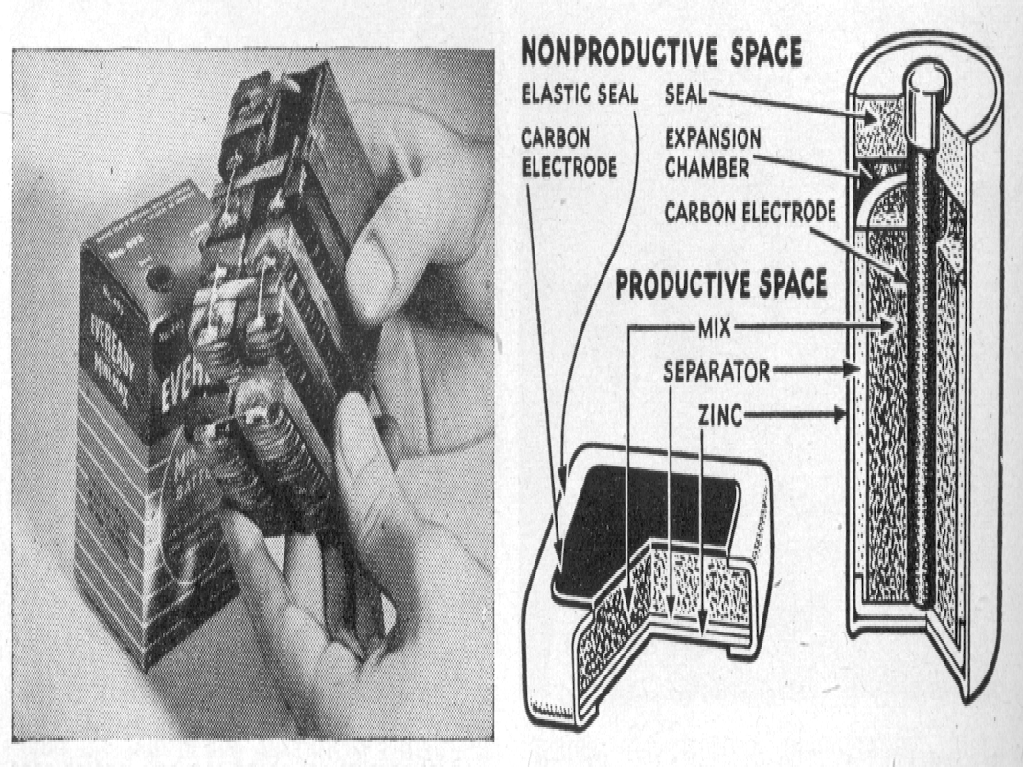
Instrument Development Laboratories innovative battery (300 volt) for Model 2610 1947
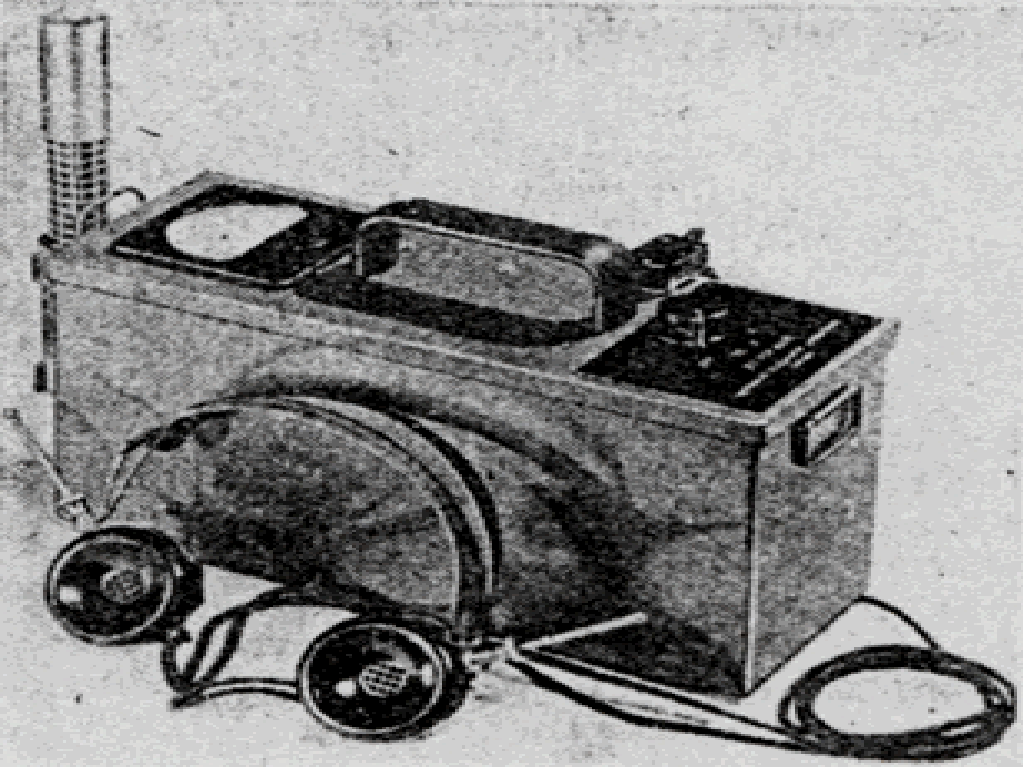
Instrument Development Laboratories Model 2610 1947
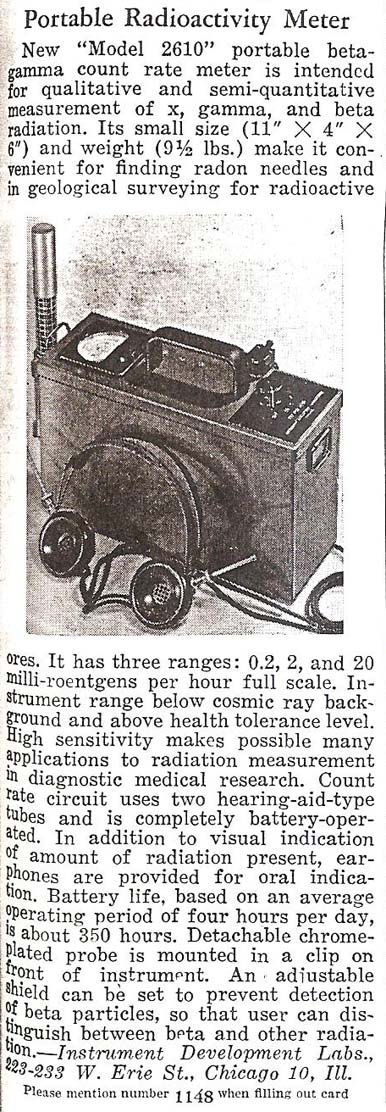
Instrument Development Laboratories Model 2610 Ad 1947
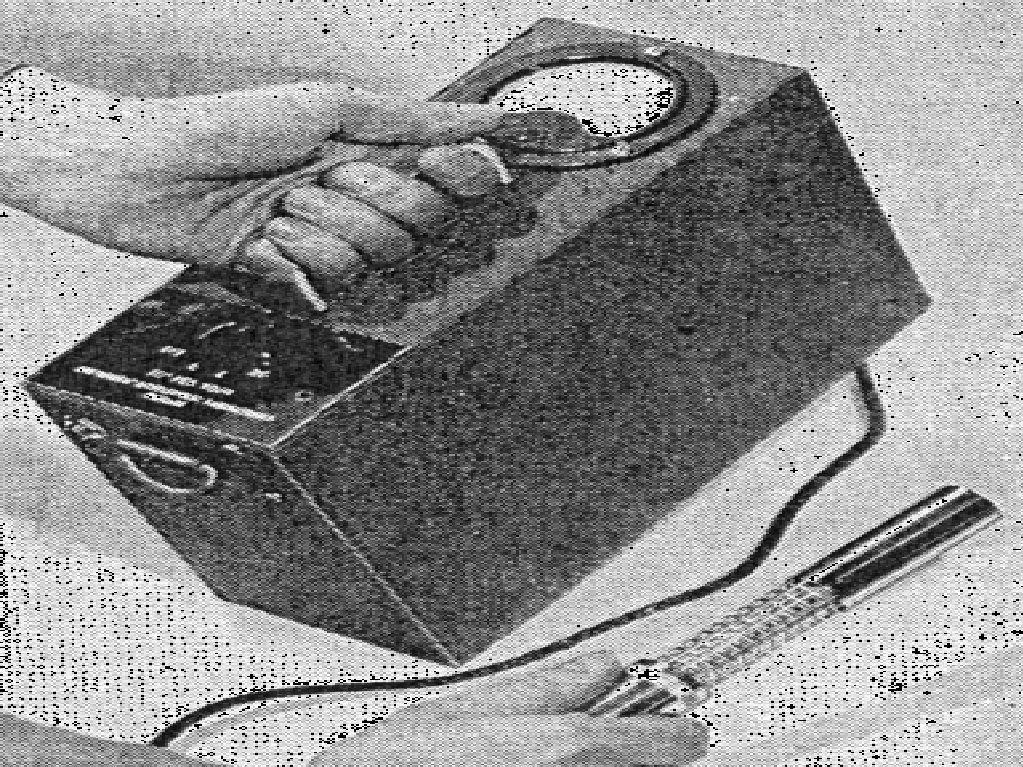
Instrument Development Laboratories Model 2610 1947
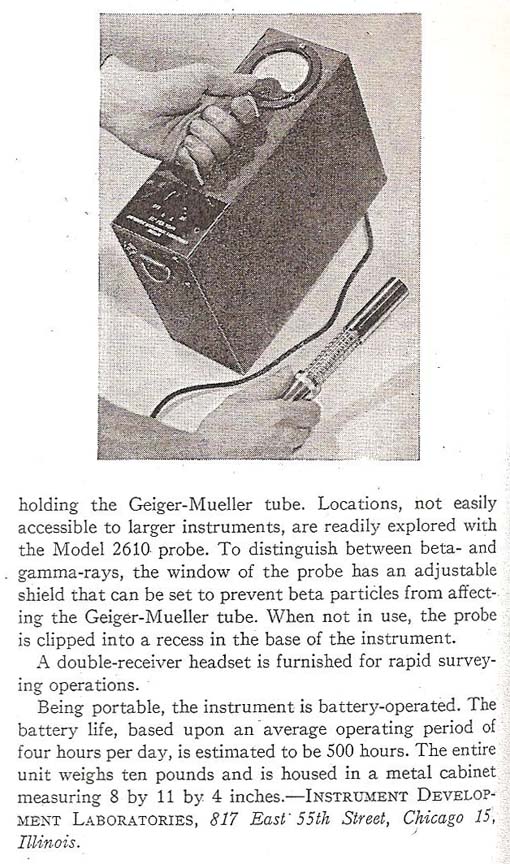
Instrument Development Laboratories Model 2610 Ad 1947
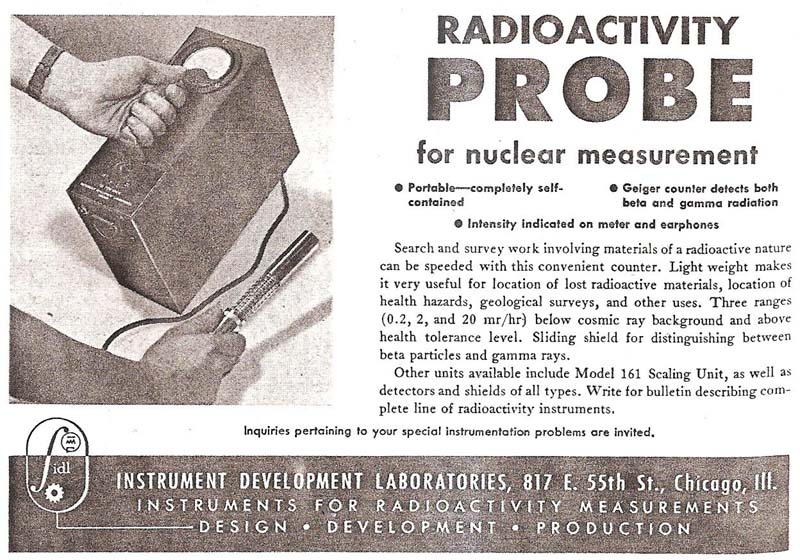
Instrument Development Laboratories Model 2610 Ad 1947
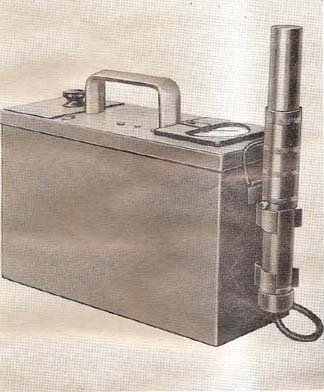
Instrument Development Laboratory Model 2610 (used by military as AN/PDR-7 1948
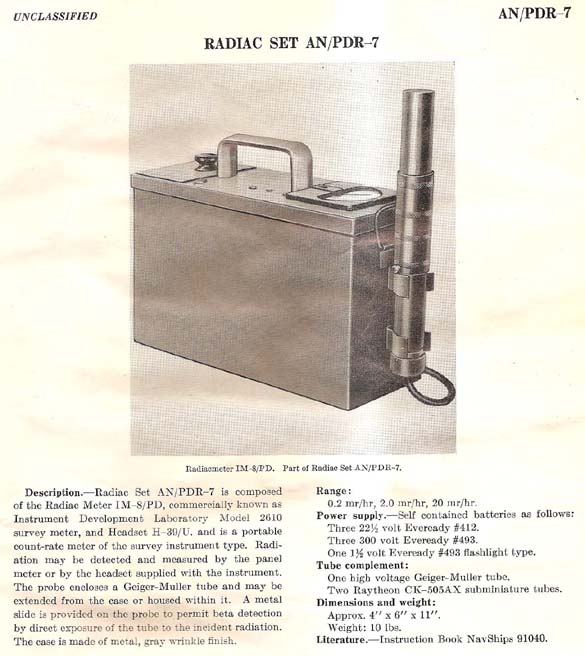
Radiac Set AN/PDR-7 (Instrument Development Laboratory) Model 2610 1948
The Model 2610 was used at the Los Alamos Scientific Laboratory in 1947. It was manufactured for the AEC for use in the Manhattan Project. The meter had a 20 microampere range and a scale selectable for 0.2, 2 and 20 mR/h. The micro-amp meter was unusual in that it increased from right to left. The Model 2610 was modified in July 1948 at Los Alamos to include a buzzer for easier identification of radioactive sources.
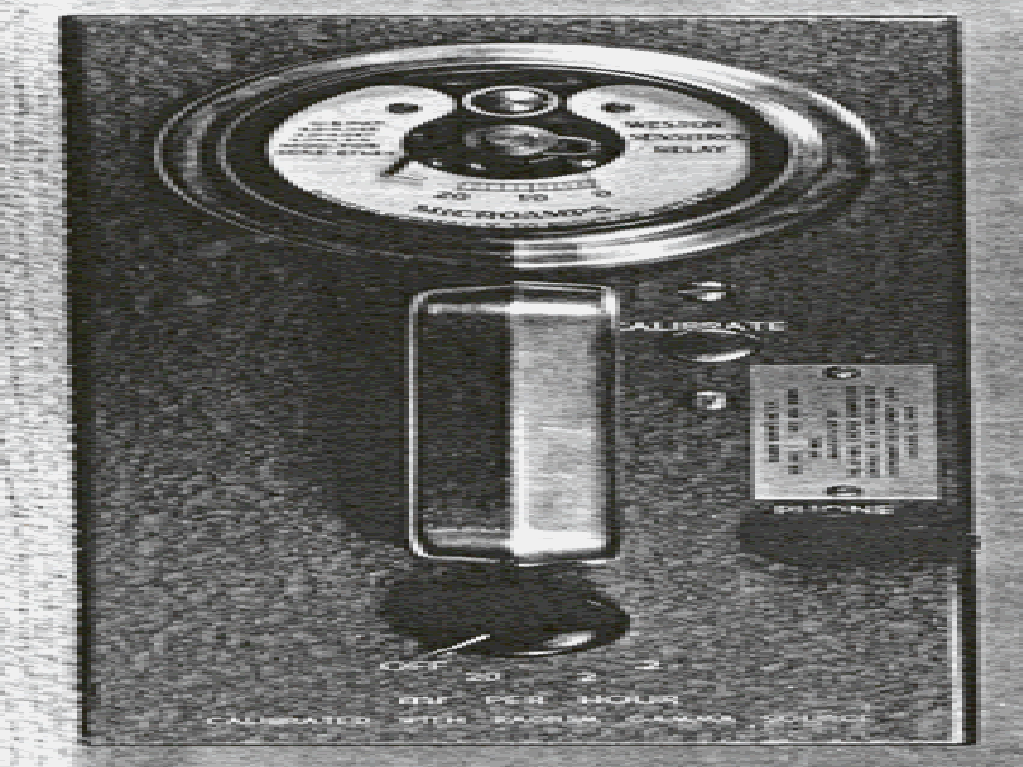
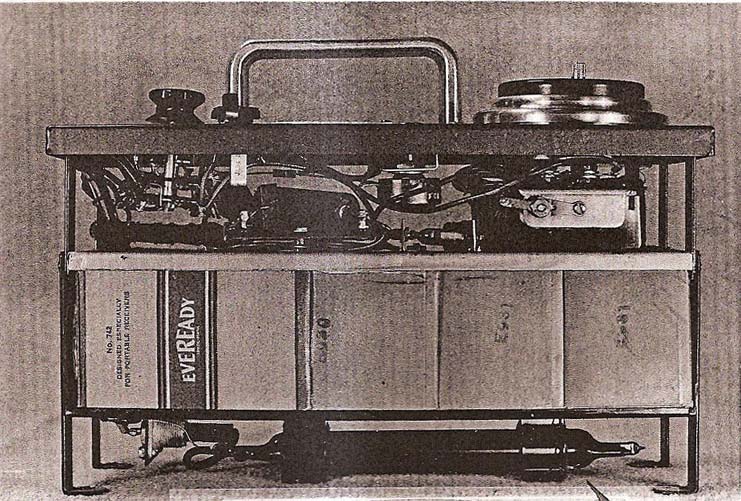
Instrument Development Laboratories Model 2610 1948
In September 1948, Instrument Development Laboratories became part of the Nuclear Instrument and Chemical Company. As one of the original AEC instrument developers, the decision was made to adapt to the emerging market requirements to provide "reasonable-priced, proven and perfected instruments" as opposed to new instrument development. The Model 161 and 163 instruments were laboratory counting scalers which Geiger counter and proportional counter detectors could be attached.

Instrument Development Laboratories Ad 1948